
No, Sweet Potatoes Aren't "Rich" in Vitamin A
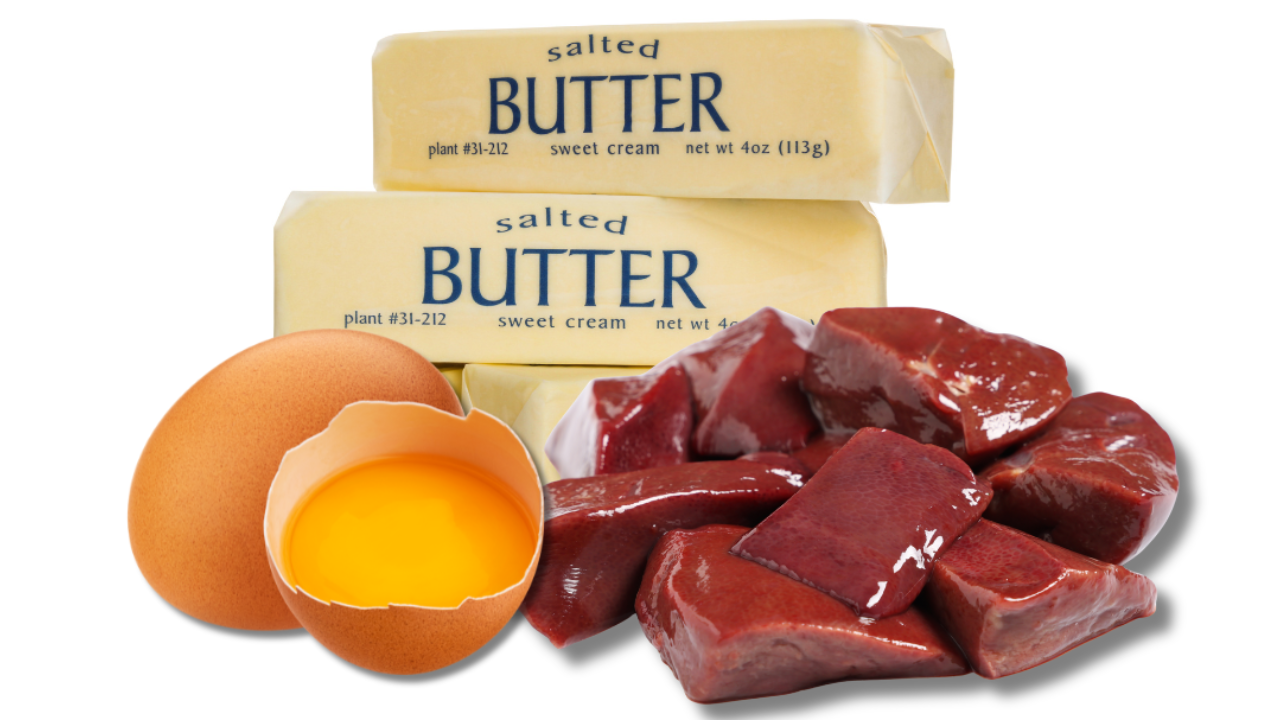
Sweet potatoes are often described as being "high in vitamin A," but that's not technically true. They contain beta-carotene, a plant pigment that must first be converted into active Vitamin A. That conversion varies greatly between individuals and depends on genetics, gut health, fat digestion, and overall nutritional status. In this article, I'll get into the difference between beta-carotene and Vitamin A, why it matters for pregnancy, brain development, immune function, and gut health, and which foods provide Vitamin A in the form your body can actually use.
Vitamin A is a critical nutrient for the human body.
It's important for everything. Really. Vitamin A plays a significant role in fertility, pregnancy, fetal brain development, and the critical period of sex differentiation in utero. Low maternal Vitamin A status can have long-lasting negative effects. It is linked to insulin resistance and diabetes in the child when they reach adulthood. It's vital for the immune system, eye health, brain health, bone health, and so many other aspects of good health.
Most people are surprised to know that vegetables and fruits don't have any Vitamin A.
They instead contain what's known as carotenoids, like beta-carotene. Carotenoids have to be converted, often very inefficiently, to Vitamin A. This conversion is far from straightforward. Depending on the food source and the individual, it can take approximately 12–24 micrograms of dietary beta-carotene to produce just 1 microgram of active Vitamin A (expressed as Retinol Activity Equivalents, or RAE). In addition, the body doesn't absorb all of the beta-carotene that is eaten. Absorption varies widely and is influenced by factors such as the food matrix, cooking methods, whether the meal contains fat, digestive health, genetics, and overall nutritional status. As a result, some people convert beta-carotene efficiently, while others produce much less active Vitamin A from the same amount of plant food.
Why Vitamin A Matters So Much for Growing Brains
Vitamin A is especially important during pregnancy and childhood, when the gut, immune system, and nervous system are still developing. It plays a role in maintaining the gut lining, supporting immune balance, and helping the brain and nervous system function smoothly.
For children with neurological differences or developmental challenges, this becomes even more relevant. These children often have higher nutrient needs, along with greater difficulty absorbing and utilizing nutrients due to underlying gut imbalance. When vitamin A status is low, we may see patterns like frequent infections, poor appetite, sensory sensitivities, or difficulty tolerating certain foods.
In a whole-foods, ancestral approach, vitamin A is valued not as a single “brain nutrient,” but as a foundational support for communication between the gut and the nervous system.
Traditional Foods Rich in Vitamin A
Long before supplements and fortified foods, vitamin A came from simple, traditional foods that supported growth and resilience. Some of the most reliable sources include:
-
Liver, in small and intentional amounts
-
Egg yolks from well-sourced eggs
-
Butter or ghee from grass-fed animals
-
Fish liver oils and fatty fish
-
Full-fat dairy, when tolerated
These foods provide vitamin A in its active form, along with the fats needed for proper absorption.
Plant foods like sweet potatoes and carrots are often described as “vitamin A-rich,” but, as mentioned above, they actually contain beta-carotene, which the body must convert into active Vitamin A. Many people, especially those with gut imbalance, do not convert beta-carotene efficiently. So even with plenty of orange vegetables in the diet, true vitamin A status can still be low.
Vitamin A also needs dietary fat to be absorbed. Low-fat eating, skipping animal fats, or struggling with fat digestion can all limit how much Vitamin A the body actually takes in, even when intake looks adequate on paper.
This is one reason modern diets tend to fall short. We end up relying heavily on plant sources for Vitamin A, minimizing animal fats, and underestimating how much gut health affects absorption and conversion.
From a gut-healing perspective, supporting Vitamin A status is not about eating more carrots. It is about ensuring the body has access to the right form, along with the fat and digestive support needed to use it well.
So yes, you can totally continue eating red/orange foods for good health, because they do contain lots of other useful micronutrients, but don't rely on them for Vitamin A intake. Use animal-food sources for Vitamin A, and ensure that your digestion is optimal so that you are able to absorb what you're taking in.
Interested in how I can help you and your family through nutrition therapy? Set up a Strategy Session to chat.
Stay connected with news and updates!
Join my mailing list to receive the latest news and updates around nutrition, autism, GAPS and other relevant information.
Don't worry, your information will not be shared. Opt out any time.
I hate SPAM. I will never sell your information, for any reason.
